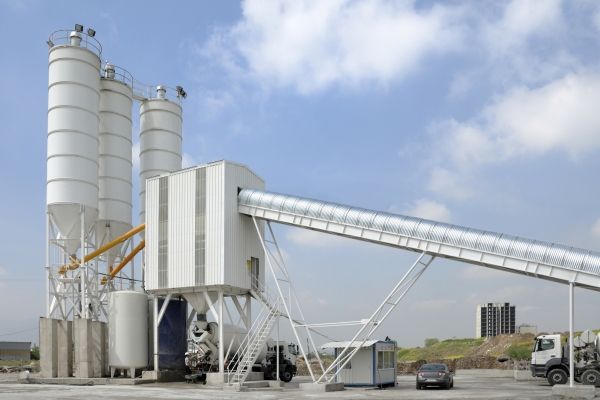
The Flash Calciner, a Unique Research Infrastructure for Industry
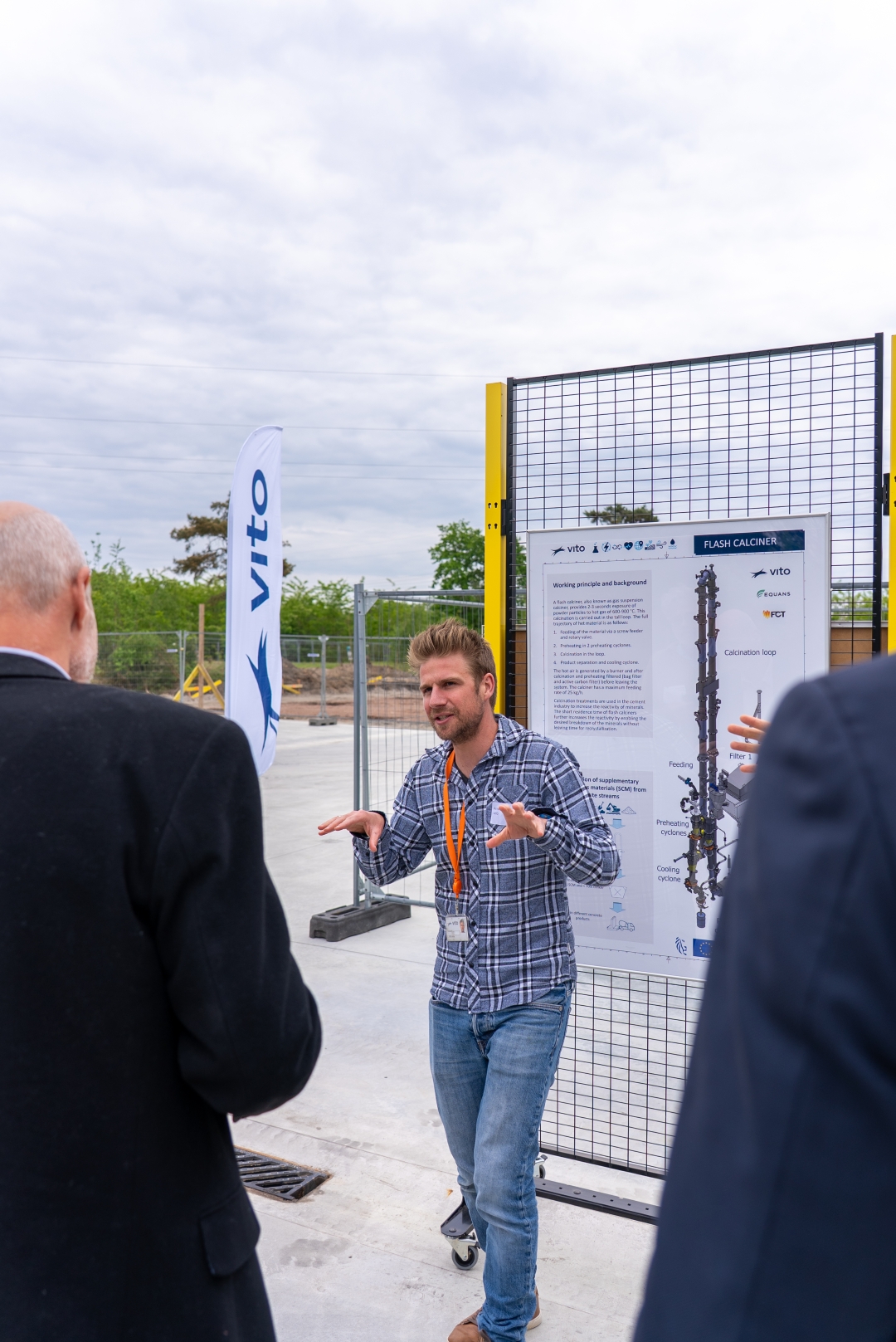
The Flash Calciner has officially been opened in Mol with significant interest. This pilot installation enables the development of new low-carbon cements based on clay-rich residual streams.

Concrete is one of the most widely produced and used man-made materials. However, because it requires large amounts of cement, concrete-based construction has a high climate impact. Cement production, together with the steel and chemical industries, is responsible for the majority of industrial CO₂ emissions. With nearly 800 kg of CO₂ emissions per ton for traditional cement (Portland cement), its production is highly environmentally burdensome. The cement sector is aware of this issue and has developed a roadmap to become climate-neutral by 2050.
One element of this roadmap is the transition from traditional cement to new cement types incorporating substitutes with a lower CO₂ impact. The Flash Calciner developed by VITO contributes to this transition.
This pilot installation makes it possible to briefly heat clay-rich residual streams to temperatures between 600 and 900°C. The result is calcined clay, which can replace up to 30% (and potentially more) of Portland cement without compromising strength.
The benefits of calcination are twofold: it significantly reduces CO₂ emissions from Portland cement production and provides a solution for clay-rich residual streams that would otherwise go to waste. Such streams are often generated during dredging works, soil surpluses, or soil remediation, yet have so far been scarcely utilized.
Infrastructure for Collaborative Research
Fly ash and blast furnace slag have long been used as cement substitutes. However, due to the climate ambitions of the steel and energy sectors, the availability of these alternatives is decreasing. The steel industry is shifting toward new furnace types and technologies, such as electric arc furnaces and direct reduced iron, resulting in slag compositions that differ from traditional blast furnace slag. Additionally, the phase-out of coal-fired power plants in Europe will eliminate fly ash as a cement substitute.
Calcination of clay-rich residual streams is therefore a highly promising alternative. Until now, however, the sector lacked facilities to investigate residual streams or test the effects of calcination on them. The Flash Calciner addresses this gap. This new infrastructure can be used for collaborative research or project-based studies. The sector can conduct tests, analyze the properties of residual streams, and even evaluate alternative cements at mortar and concrete level.
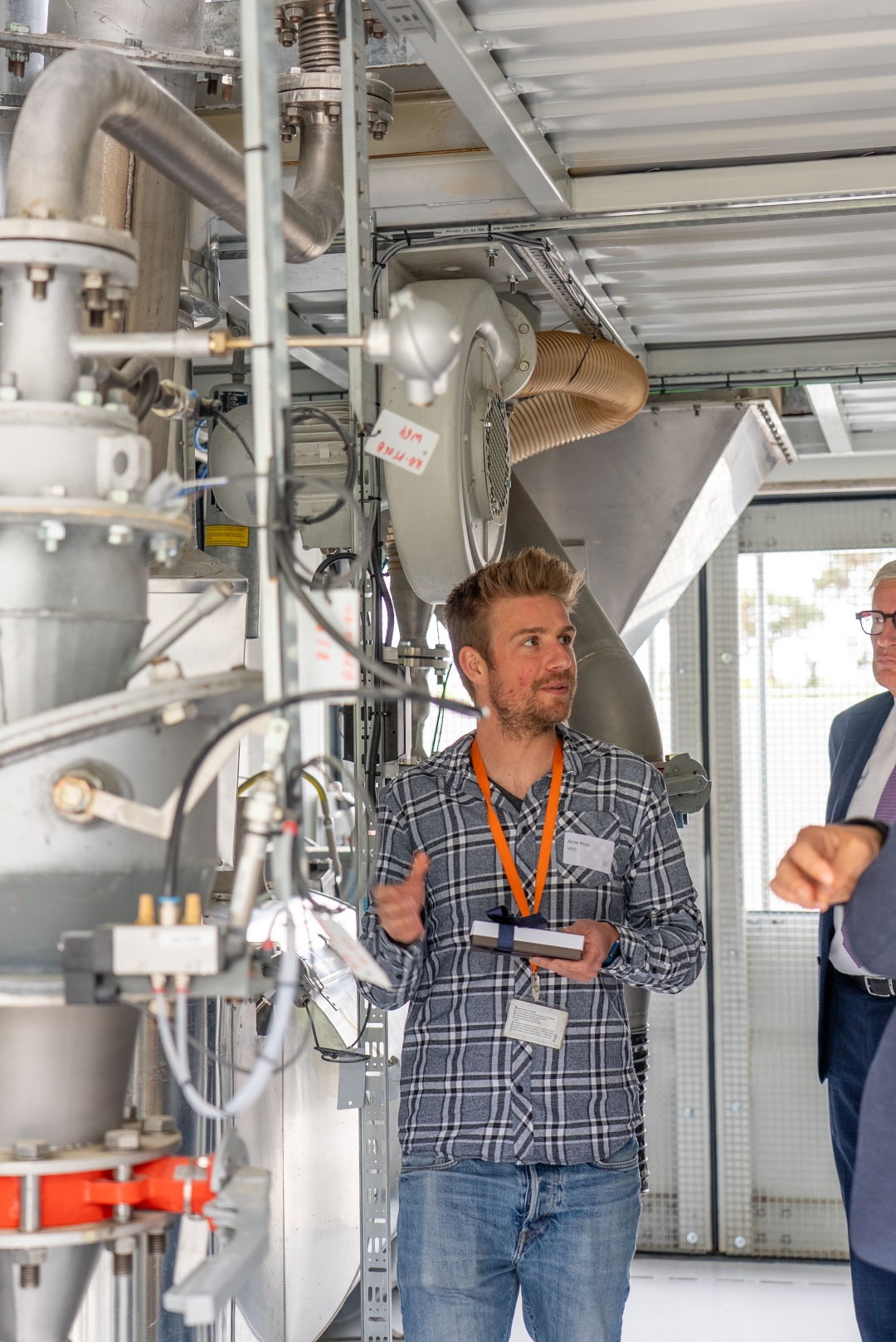
“The Flash Calciner pilot installation enables the development of new low-carbon cements based on clay-rich residual streams, allowing VITO to contribute to reducing the environmental impact of our built environment,” summarizes project coordinator Liesbet Van den Abeele.
Thomas de Béthune, the European Commission’s representative in Belgium, is impressed: “The Flash Calciner is a key piece of the puzzle in our European drive to achieve climate neutrality by 2050. The production of traditional cement accounts for 5 to 8% of our global CO2 emissions, and if we can reduce this by 30% through the sustainable, high-quality alternatives that the Flash Calciner can now test, we will be saving the planet in more ways than one. I’m delighted that, together with the EU, we are contributing to cutting-edge Flemish and European technology and will soon be delivering a sustainable solution for the construction sector.”
What Does the Flash Calciner Offer to Industry?
The Flash Calciner provides:
-
The cement and concrete industry with opportunities to experiment with various calcined materials
-
Holders of clay-containing waste streams with a way to easily assess whether their material can be upgraded into a cement substitute
-
Researchers with the ability to optimize and objectively evaluate the flash calcination process
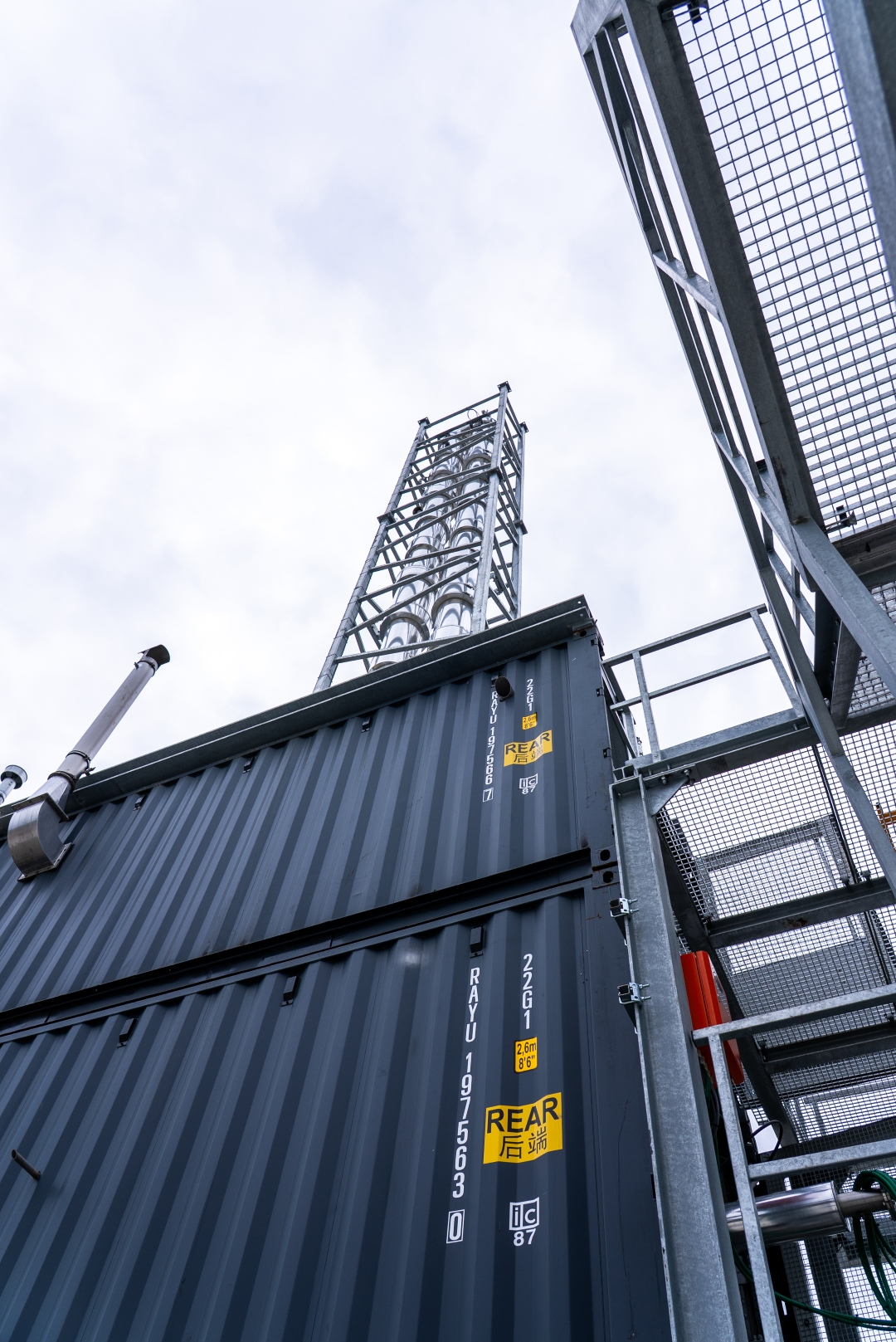
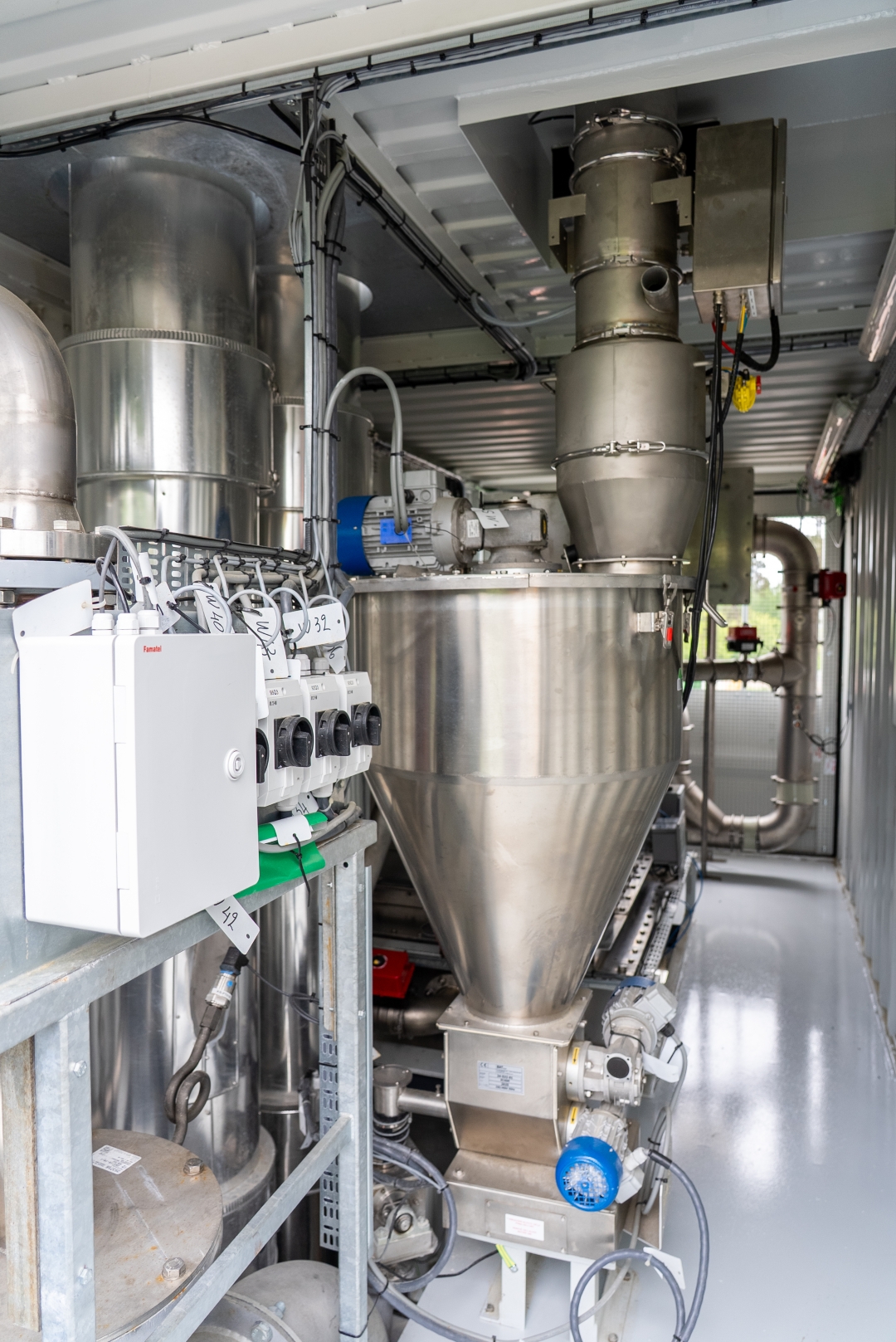
The installation features a preheating and calciner loop of over 20 meters, constructed from refractory materials. This ensures a residence time of 2 seconds with a constant temperature profile and a feed rate of 25 kg/h. The system is equipped with a colour control mechanism, allowing temperature adjustments during the cooling phase to modify the color of the calcined material.
The pilot installation includes all components found in a full-scale facility, enabling materials to be tested under realistic conditions.
It is also equipped with multiple measurement points, allowing precise monitoring of process parameters and emissions throughout the system. Investors can test and optimize processes and collect data required for environmental permit applications. Notably, this pilot infrastructure not only enables standard emission measurements but is also equipped to specifically sample PFAS.
A filtration system ensures that testing has no negative environmental impact.
How Was the Flash Calciner Developed?
In 2020, VITO conducted a study commissioned by OVAM to screen potential Flemish waste streams for use as cement substitutes. In addition to available quantities, potential risks associated with these materials were also assessed.
Non-ferrous slags and bottom ash from municipal waste incineration contain high levels of heavy metals, limiting their potential. The ceramic, stone, and porcelain (CSP) fraction from glass recycling has technical potential, but the annual volume is too small to be relevant. The fine fraction from crushed concrete shows high potential and has already been included in the new EN 197-6 standard as an approved cement substitute.
A particularly promising remaining stream is the clay-rich fraction from dredged material, which is currently disposed of annually. Commissioned by the Flemish government, VITO conducted extensive research to activate this stream into a suitable cement substitute.
Dredged material from the Port of Antwerp is treated by the Maritime Access Division at the AMORAS site. Sand is removed and reused as construction material, while the clay-rich fraction is pressed into filter cakes and stored nearby. These filter cakes have a relatively consistent composition, making them highly suitable for transformation into cement substitutes through heating.
Research shows that flash calcination—where filter cakes are dried, pulverized, and briefly heated (approximately 2 seconds) to 850°C—produces a cement substitute with reactivity comparable to high-quality fly ash.
Project Funding
The total project budget exceeds €900,000. The European Regional Development Fund (ERDF) contributes €238,200 in funding.

Would you like to know more?
Curious about the potential of the Flash Calciner? Contact Liesbet for more information.