Water-wise urban development with separated wastewater streams
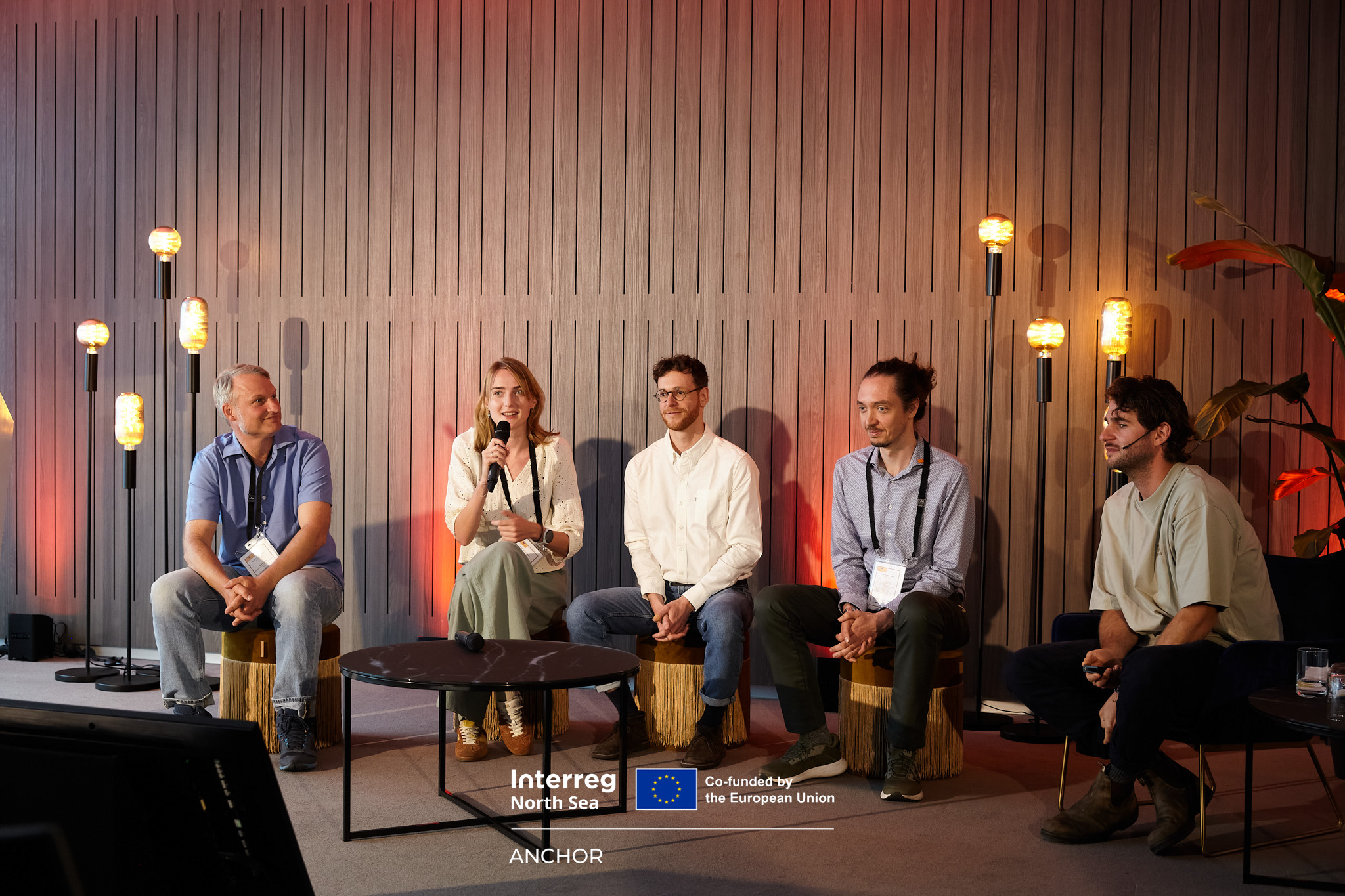
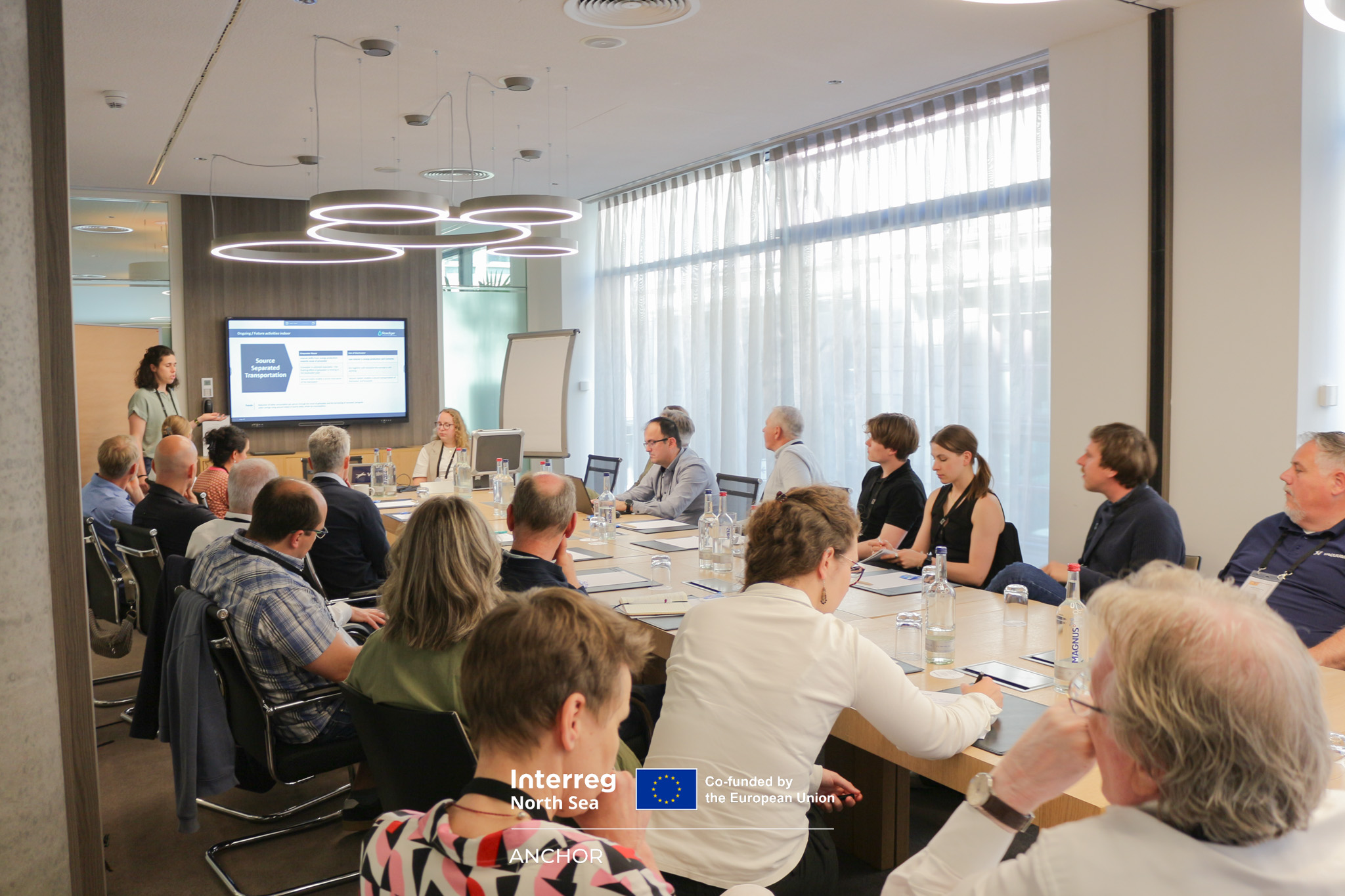
Urban growth, drought, and pressure on water quality call for a different perspective on wastewater. The Interreg project ANCHOR investigates how source-separated wastewater systems can help neighborhoods recover water, energy, and nutrients locally. At the final conference in Hamburg, around a hundred international participants discovered the results of the three-year Interreg project. The conference brought together lessons from existing demonstration neighborhoods, new pilots, governance research, social acceptance, and economic insights.
ANCHOR: more than a project, a growing community
The project aims to support cities and other decision-makers with practical tools, data, system knowledge, and transition insights to develop water-wise and climate-robust neighbourhoods. By testing innovative systems for the separation and reuse of water flows within the European demonstration network, ANCHOR gathered valuable knowledge about the design, management, monitoring, and maintenance of this innovative infrastructure.
- Programme of the final conference and reflection
- Outputs, including virtual tours of demonstration sites
Wastewater Becomes a Resource
In traditional wastewater systems, different streams come together. This often makes treatment more complex and limits the opportunities for recovering valuable resources like water, energy, and nutrients.
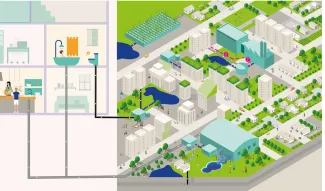
Source-separated wastewater systems reverse that principle. They keep water streams separate so that each stream can be more specifically treated and utilised. Black water from toilets, for example, contains many nutrients and organic matter. Greywater from showers, baths, and sinks, on the other hand, is interesting for reuse or heat recovery if treated correctly. This innovation is central to the project, in which we have built a lot of data and insights around these household streams.

Why Source Separation is Becoming Logical in New Districts
New urban districts are designed to last for decades. That's precisely why the moment of urban development is so crucial. Separating water streams right from the design stage creates space for circular water management. Long-term commitment from parties is, therefore, very important in such projects.
ANCHOR not only looks at source separation as a technique but also examines how the systems function in real districts. The demonstration sites put wastewater collection into practice, as well as how greywater can be treated for reuse, and how heat, biogas, and nutrients can be recovered.
The added value lies in the combination:
- less pressure on drinking water sources due to water saving at the source
(toilet flushing of +/-1 l/flush instead of 6 l/flush with a standard toilet) - more targeted collection and treatment of concentrated wastewater streams
- recovery of energy, heat, and nutrients
- new opportunities for links between district development, water management, climate adaptation, symbiosis with adjacent industries...
From Technology to Functioning System
The innovations are concrete.
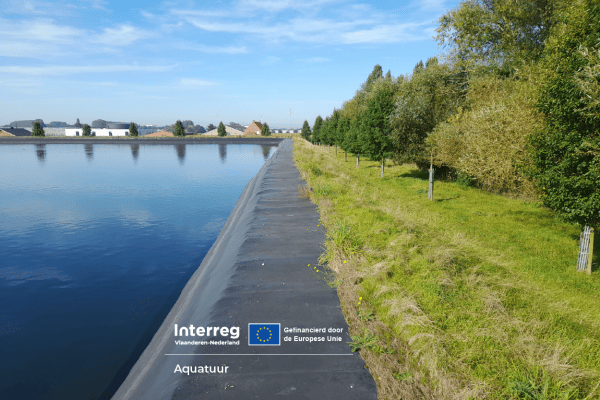
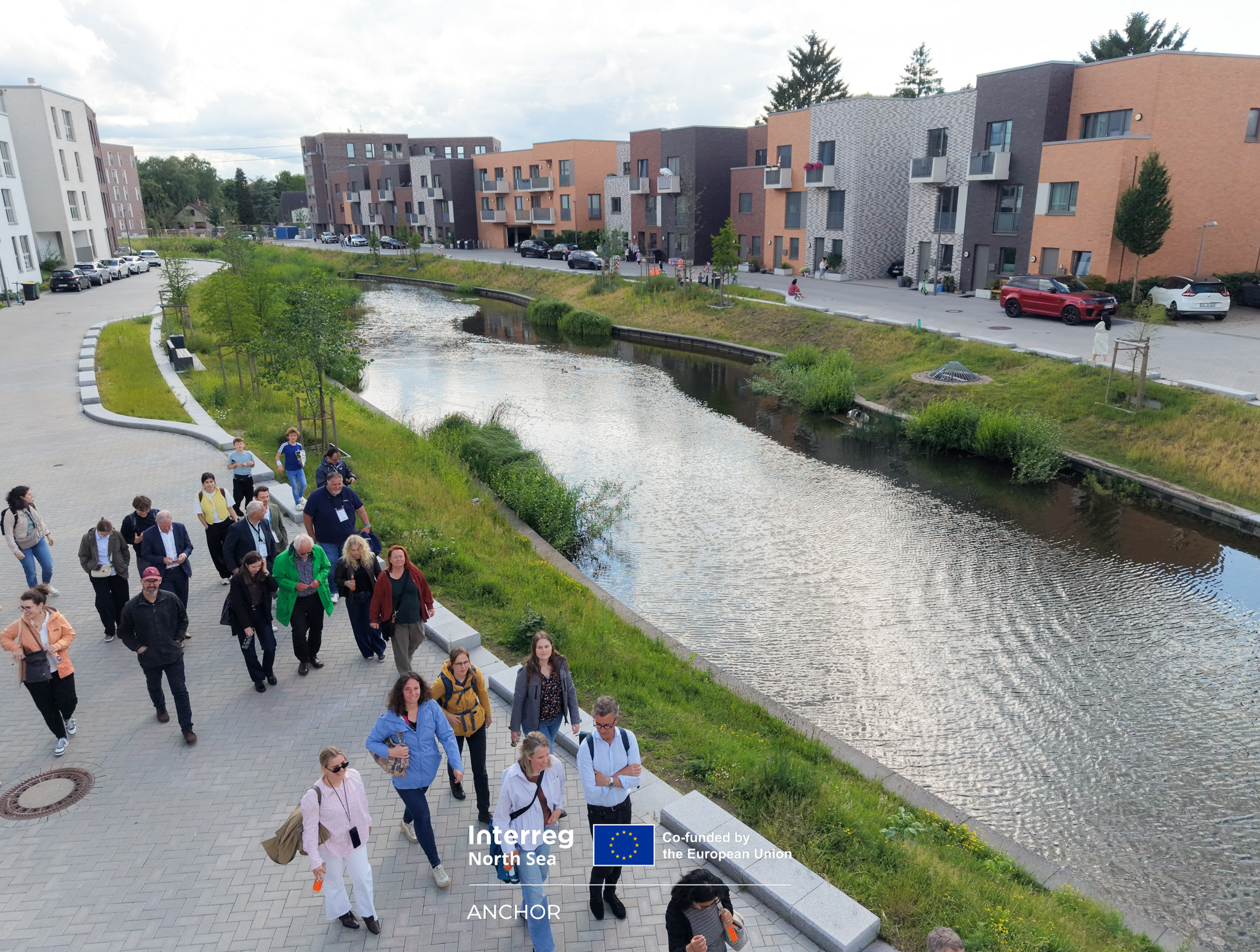
- In Jenfelder Au in Hamburg, black water is separately collected via vacuum technology and linked to biogas production. The expansion of the installation now partially uses the greywater to maintain the level of an urban pond.
- In the Nieuwe Dokken in Ghent, water streams from a new urban district are treated. The team is evaluating the option to use purified streams as process water for the nearby soap factory, replacing drinking water.
- Oceanhamnen in Helsingborg is scaling up source separation in an urban waterfront development. Within the project, the demo site was expanded to utilise purified greywater as swimming water for a pool planned for 2029.
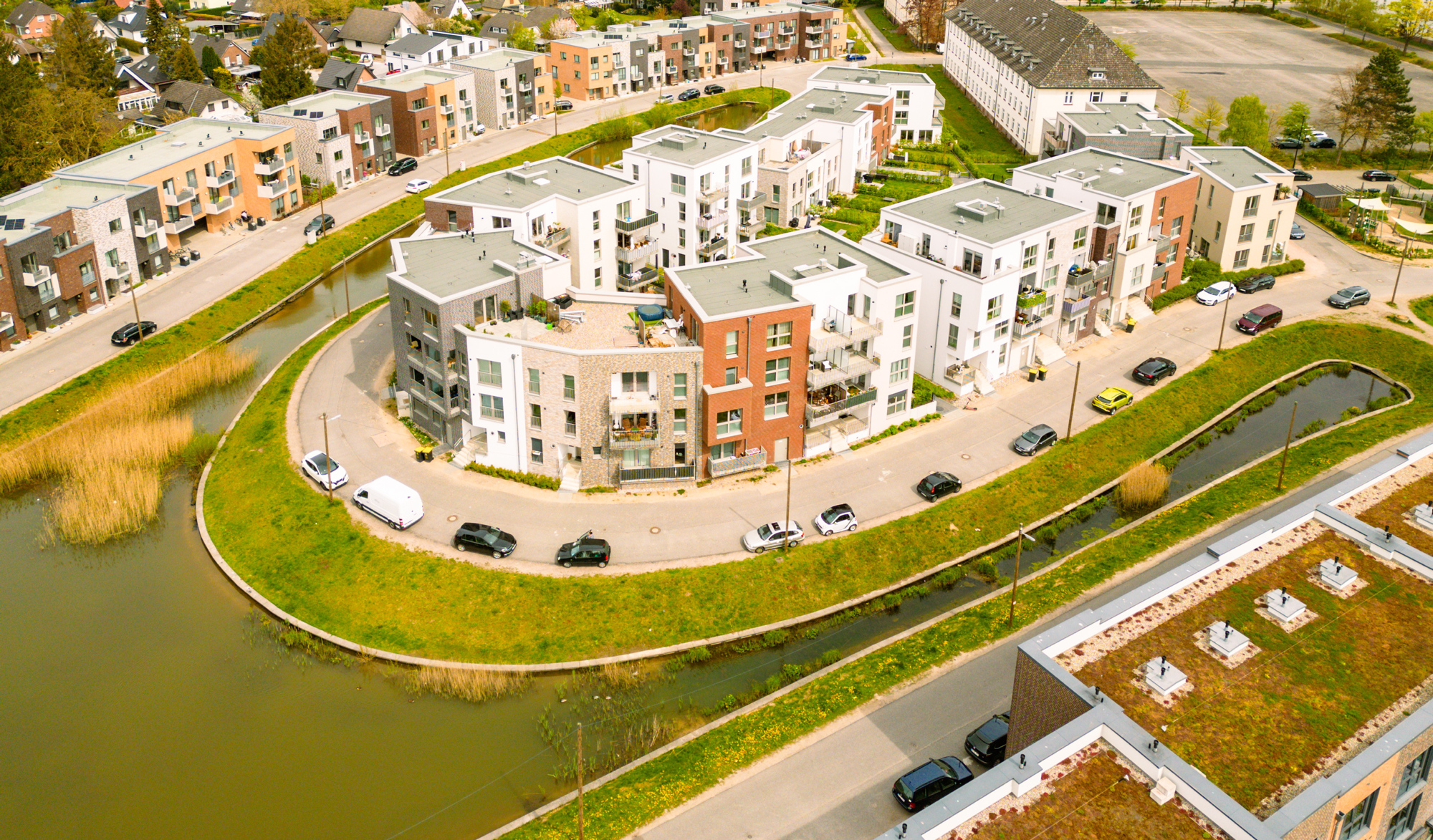
ANCHOR demo site Jenfelder Au in Hamburg ©Ulrich Perrey for HAMBURG WASSER
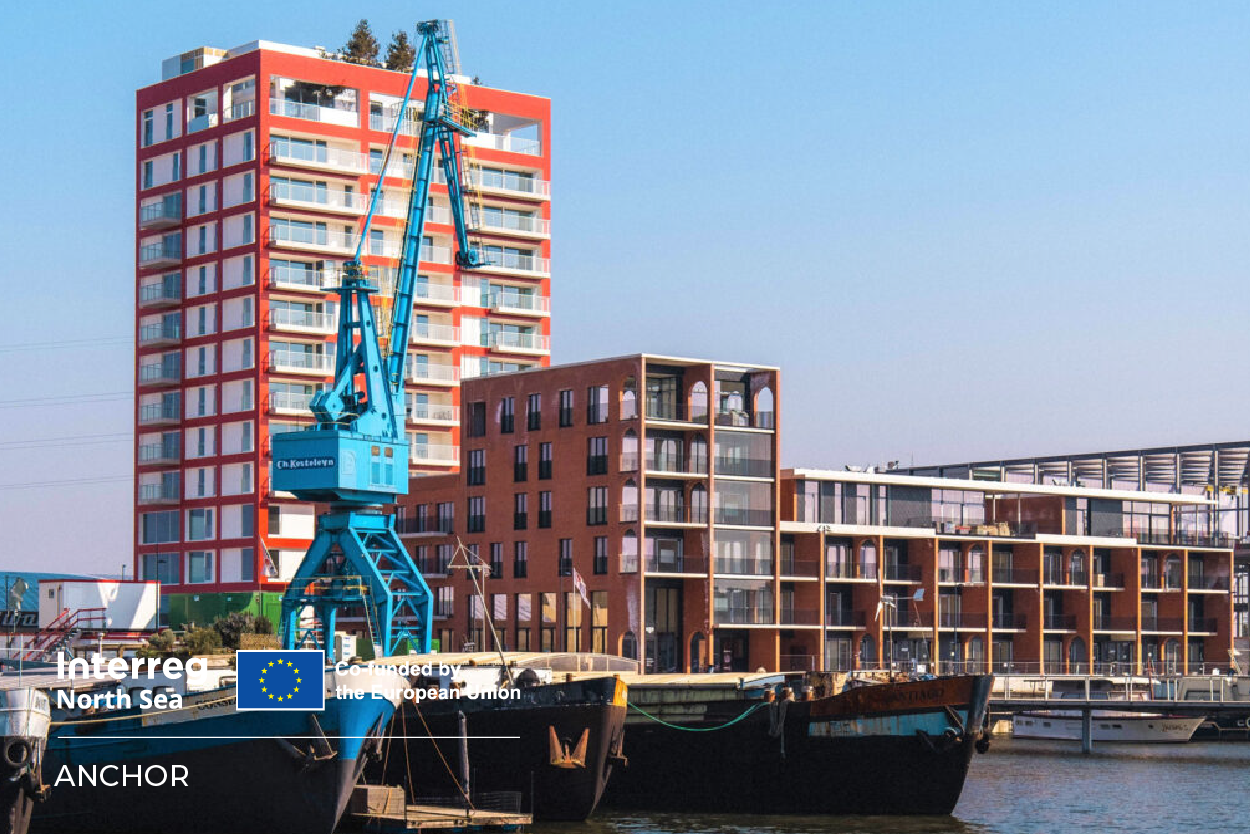
ANCHOR demo site New Docks in Ghent ©Dift
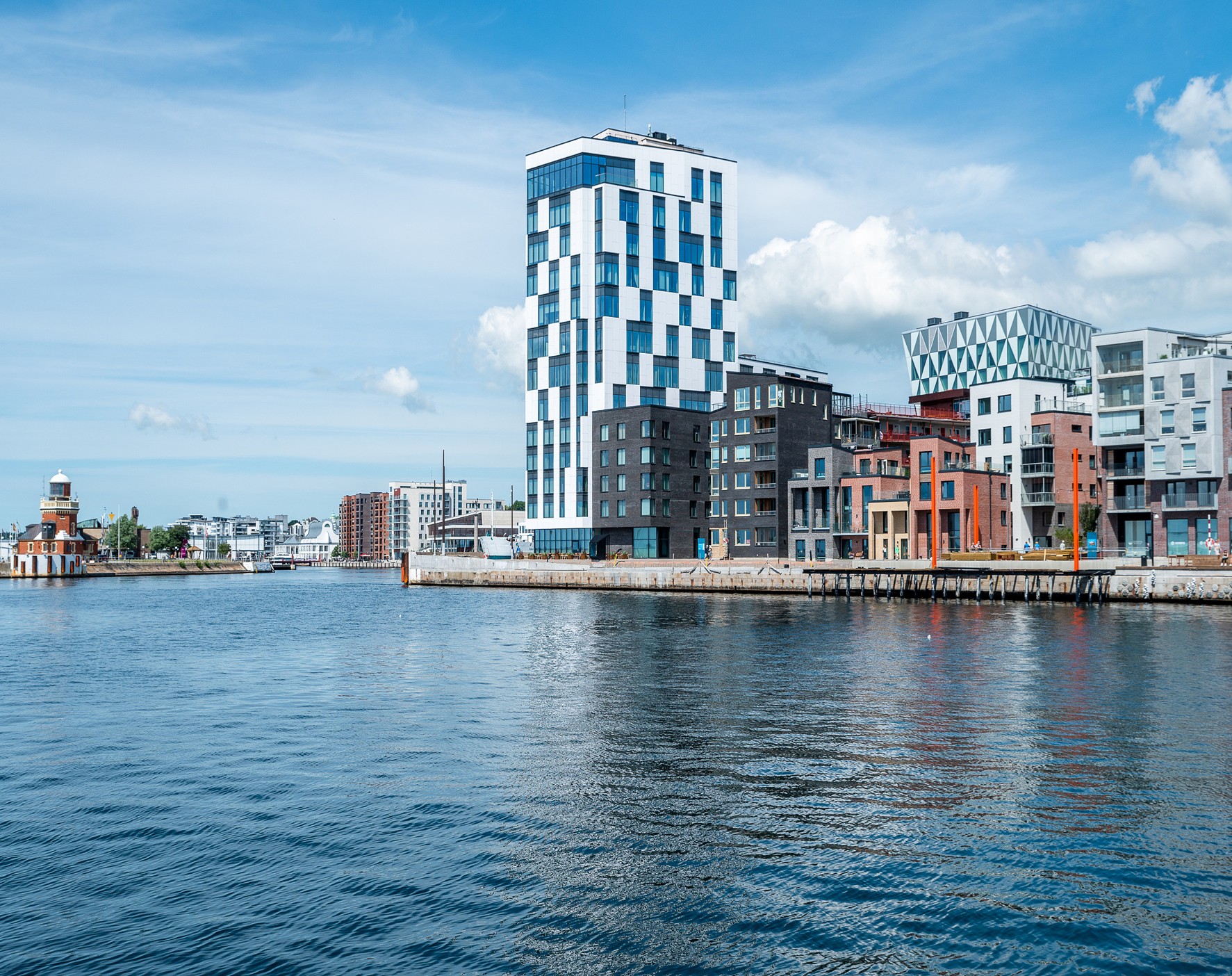
ANCHOR demo site Oceanhamnen in Helsingborg ©NSVA
But ANCHOR also shows that technology alone is not enough.
A source-separated wastewater system requires good choices in design, maintenance, and management. The system must be robust, easy to operate, remotely monitorable, and adapted to the neighbourhood in which it is placed. Operator experience, resident acceptance, and long-term commitment also come into play.
This does not make source separation any less innovative. On the contrary. The real innovation lies in the entire system: infrastructure, data, management, collaboration, and financing.
What the numbers show
The results from ANCHOR make the potential tangible. For instance, black water contains more than 80 percent of the nutrients in household wastewater. By keeping this stream separate, nutrient recovery becomes more focused.

Source separation is also relevant for water quality. ANCHOR reports that black water separation isolates 98 percent of the antibiotic-resistant genes in household wastewater. This does not mean that the problem is solved, but it does mean that the most concentrated stream can be more specifically addressed.
There is enormous potential in purified grey water in an urban context. Treated grey water can meet quality criteria for low-value applications such as toilet flushing or clothes washing. Heat recovery is possible from 6 to 18 kWh per cubic metre and a practical water reuse ratio of 74 percent.
What does this mean for decision-makers?
ANCHOR is relevant for decision-makers because it takes innovation out of the pilot phase. The project demonstrates which design choices, collaborations, and conditions are necessary to make source-separated wastewater systems truly work in urban development. Significant progress has been made once again.
This requires early decisions. Source separation cannot be retrofitted into an existing neighbourhood. The vision must be integrated into spatial planning, infrastructure design, permits, management, and business models.
Therefore, the key lesson is: "Do not treat wastewater as a residual flow at the end of the chain. Design new neighbourhoods so that water flows can retain value from the outset." Veerle Depuydt, project coordinator of ANCHOR and water innovator at VITO Kennispunt Water.
The role of the VITO Kennispunt Water
VITO Kennispunt Water coordinates ANCHOR and helps translate the acquired knowledge into useful insights for cities, water companies, project developers, and policymakers. With this, VITO supports the transition from demonstration to application: from individual cases to shared knowledge, tools, and practical lessons.

Project Coordinator Veerle Depuydt:
‘ANCHOR has now evolved into more than just a research project. The network today counts over 600 unique members from various countries and sectors. This growing community demonstrates that interest in circular water management, resource recovery, and climate adaptation in an urban context is increasing significantly.’
The central message of the closing conference was clear: ANCHOR is concluding, but the work has only just begun. The ambition is to upscale and replicate the acquired knowledge and proven solutions in urban developments within the North Sea region and beyond.
Contribute to Water-Smart Cities
The project officially runs until the end of October 2026. Until then, the final datasets are being processed into valuable reports and articles. Do you want to be the first to know?