Reducing pollution in food and drink production through improved monitoring and treatment
PURE-FOOD
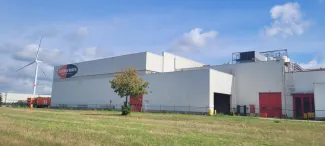
© Farm Frites in Lommel (België).
PURE-FOOD helps the food and drink industry to better understand, monitor and reduce pollution from both traditional and emerging pollutants. Across six demonstration case studies in Europe and beyond, the project will identify pollution hotspots, improve analytical methods and test innovative monitoring and treatment techniques. Led by VITO, PURE-FOOD combines scientific evidence with real-world demonstrations to support more sustainable, resilient and zero-pollution food systems.
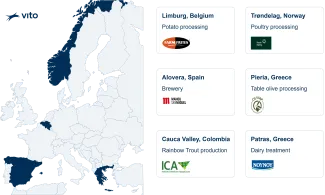
Potato processing in Flanders: understanding potential emerging water risks
At its site in Lommel, Farm Frites processes potatoes on an industrial scale. Its wastewater contains starch, organic matter and cleaning chemicals. The site already treats organic matter, nitrogen and phosphorus, and currently reuses a substantial part of the effluent water after membrane filtration.
Recent and future developments in legislation create possible obstacles for reuse and disposal of wastewater.
The next challenge is to further investigate potential emerging pollutants, where they originate in the supply chain, what risks they may create and how they can be eliminated. Through the Flemish PURE-FOOD case study, Farm Frites and the project partners investigate these questions to improve knowledge and optimize more sustainable water management in potato processing.
From analysis to treatment: testing solutions in Flanders
In the Flemish case study, PURE-FOOD works with partners across the food value chain to identify current pollution challenges and gaps in how they are monitored and managed.
The project will analyse contaminants of emerging concern to determine which compounds are relevant and how they may affect the environment. These pollutants will then be monitored using innovative methods alongside conventional process monitoring.
Where relevant, the project will also assess additional polishing technologies to remove emerging contaminants. These technologies will be evaluated together with technology providers and other project partners.
What will PURE-FOOD deliver for industry?
PURE-FOOD will turn research and demonstration results into practical knowledge and tools for the food and drink sector. Expected output includes:
- harmonised analytical methods;
- pollution inventories and hotspot maps;
- validated monitoring and treatment solutions;
- a database covering pollutants, mitigation measures and best practices.
By comparing lessons from six different food and drink case studies across Europe, the project aims to make effective pollution prevention and reduction strategies easier to apply. The results will also provide evidence to support future environmental policy and help companies make better-informed decisions on pollution monitoring and wastewater treatment.
Our contribution
VITO leads and manages PURE-FOOD and brings expertise in pollution analysis, ecotoxicity, advanced monitoring, water treatment technology, life cycle assessment and best available techniques.
VITO is also closely involved in the Belgian potato-processing case study, helping to investigate relevant pollutants, monitoring approaches and treatment options. By connecting scientific analysis with industrial demonstrations, VITO supports the uptake of the project results in Flanders and helps translate them into practical knowledge for the food and drink sector.