UNICO₂RN converts biogenic CO₂ into proteins and bioplastics
Utilising biogenic CO2 emissions through circular solutions
The EU-funded research project UNICO₂RN has officially started in June of 2025, bringing together European research organisations and industrial partners to demonstrate how biogenic carbon dioxide (CO2) can be used as a feedstock for producing proteins and bioplastics. The project focuses on CO2 from biological sources such as biomass processing, fermentation and organic waste treatment, where CO2 is generated as an unavoidable by-product of existing industrial processes.
Unlike fossil-based CO2 emissions, biogenic CO2 is part of the short-term carbon cycle and does not introduce additional carbon into the atmosphere. By targeting these streams, UNICO2RN builds on existing bio-based infrastructures and enables the integration of CO2 utilisation into established industrial value chains.
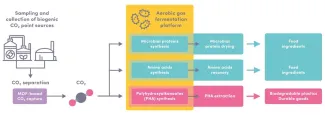
UNICO₂RN uses captured biogenic CO2 as a carbon source to produce microbial proteins for food and animal feed and polyhydroxyalkanoates (PHA), biopolymers for biodegradable plastics and for durable material applications. In doing so, the project demonstrates how unavoidable CO2 emissions from bio-based industries can be converted into market-relevant products.
Combining CO2 capture with industrial bioconversion
UNICO₂RN integrates two complementary technological approaches. While metal-organic framework (MOF)-based systems are used for the efficient capture of CO2 in high purity from biogenic point sources, the CO2 is then converted through aerobic gas fermentation using hydrogen-oxidising bacteria, which transform CO2 and hydrogen into microbial biomass and biopolymers.
The process chain is designed as a modular and flexible system enabling it to handle CO2 streams of different concentrations and purities. UNICO₂RN will demonstrate the process chain at two industrial sites under near-commercial conditions (Technology Readiness Level 7), covering CO2 capture, bioconversion and downstream processing. These demonstrations will validate the production of microbial proteins suitable for food and feed applications as well as PHA-based materials that can replace conventional fossil-based plastics.
European cooperation with a focus on safety and sustainability
Alongside technological development, UNICO₂RN includes comprehensive safety, environmental and sustainability assessments. Life cycle, techno-economic and social impact analyses will support safe process design, responsible scale-up and alignment with emerging EU sustainability and certification frameworks for CO2-based products.
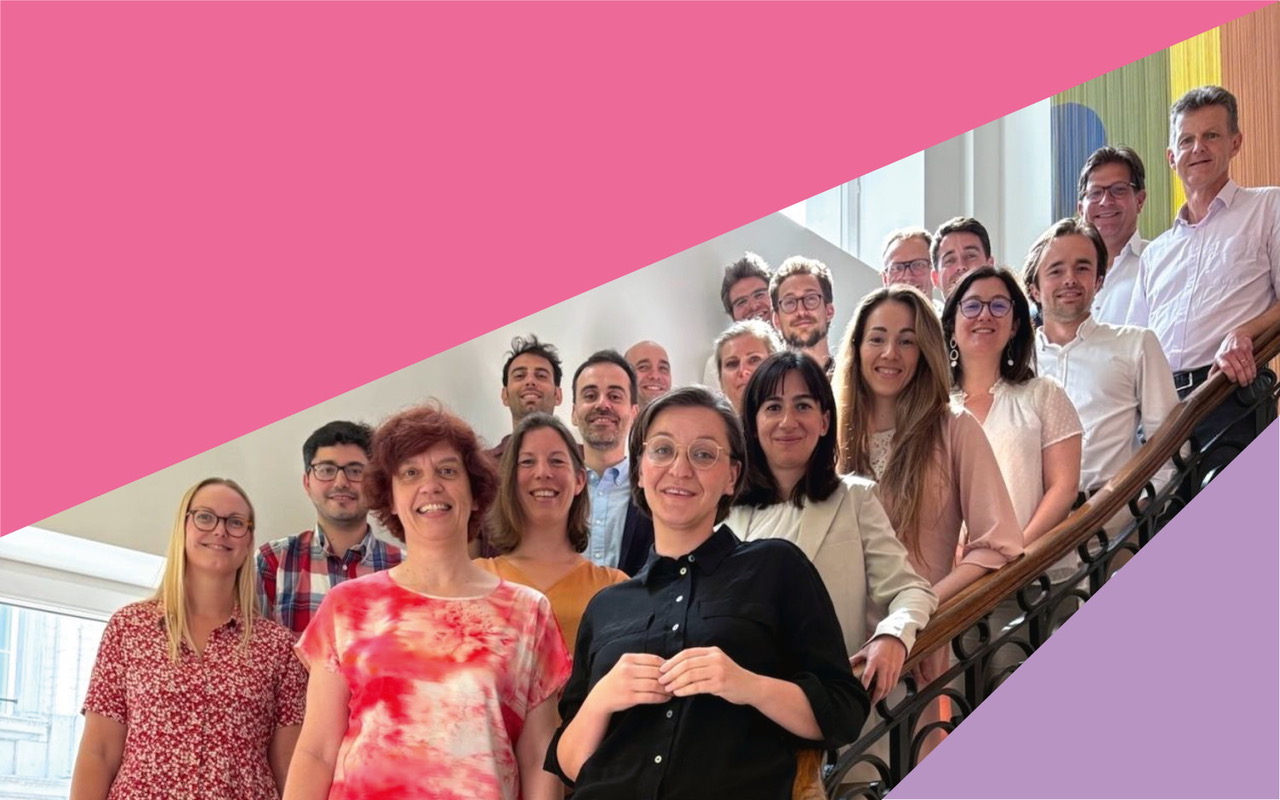
With these objectives ahead, the UNICO₂RN consortium brings together ten partners from across Europe combining expertise from industry and research. The project is coordinated by VITO (BE) and implemented by a European consortium consisting of AERBIO (NL), CO2BioClean (DE), IDENER (ES), Lesaffre (FR), NIZO Food Research (NL), nova-Institute (DE), NUADA (UK), SABIO Biomaterials (IT) and Veolia (BE).
In addition to being project coordinator, VITO will work on advanced process monitoring and digital twinning for gas fermentation.
Further information about the project is available at https://unico2rn.eu. Interested readers may also register for the project newsletter via the website to receive updates on project activities and results.
Funded by the European Union under the Grant Agreement No. 10121426. Views and opinions expressed are however those of the authors only and do not necessarily reflect those of the European Union or the granting authority. Neither the European Union nor the granting authority can be held responsible for them.