VITO partners in the HIBISCUS project to advance bio-based flame-retardant solutions for sustainable construction
Supported by the Circular Bio-based Europe Joint Undertaking (CBE JU), HIBISCUS brings together 13 partners across five countries to develop next-generation construction products with up to 80% bio-based content, improved environmental performance, and validated real-life pilot demonstrations.
Our contribution: developing lignin-based flame retardants
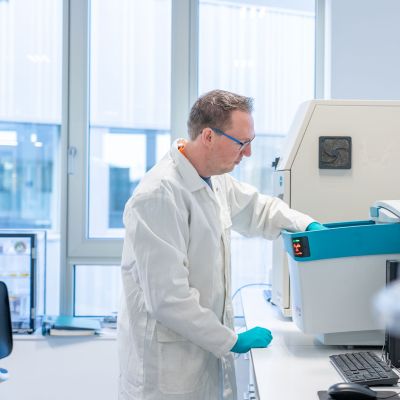
Within the project, VITO will lead the development of bio-based, non-halogenated flame-retardant additives derived from renewable lignin and the use of these materials into demonstrators across the consortium.
This work is strongly anchored in the capabilities of LignoValue, VITO’s unique pilot infrastructure for lignin fractionation, depolymerisation, and scale-up. LignoValue allows us to deliver consistent lignin-based bio-aromatics and test routes from bench chemistry through formulation and into pilot-scale validation — a crucial step in making bio-based materials industrially viable.

Why HIBISCUS matters
The construction sector accounts for up to 37% of global CO₂ emissions and is Europe’s second-largest industrial ecosystem. The shift to sustainable, low-carbon building materials is therefore essential for reaching Europe’s climate goals.
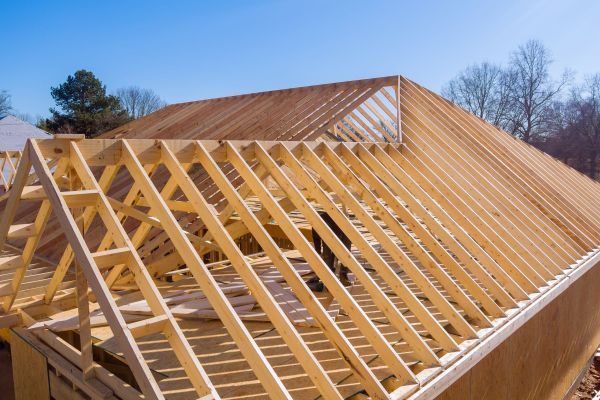
HIBISCUS will address this challenge by developing and demonstrating five innovative bio-based construction solutions for insulation, waterproofing, and carpentry. These materials will be assessed under Safe and Sustainable by Design (SSbD) principles and tested in real-life pilot buildings, while also exploring markets such as transportation and cold-chain infrastructure.
Collaborative impact
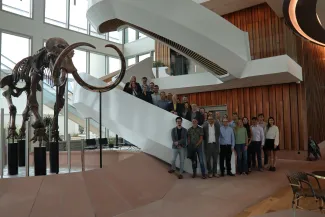
As part of this consortium, VITO looks forward to contributing scientific expertise, pilot-scale capabilities, and a commitment to sustainable material innovation. The combined strength of the partners — including SOPREMA, CSTB, Leitat, B4C, ifeu, CNRS, University of Strasbourg, INDRESMAT, CellMat Technologies, Fraunhofer, University of Liège, and Kraton — forms a strong value chain for transforming lignin and other bio-based resources into viable construction materials.
Contact
For more information or collaboration inquiries, feel free to contact Maarten Rubens.